In an era where the balance of global ecosystems teeters on the brink, the quest for sustainable energy solutions has never been more urgent. The push toward renewable energy isn't just a trend; it's a necessity. As climate change impacts become more pronounced, industries and governments worldwide are setting ambitious targets to reduce carbon footprints and mitigate environmental harm. This transformation hinges on innovative technologies that maximize sustainability and efficiency.
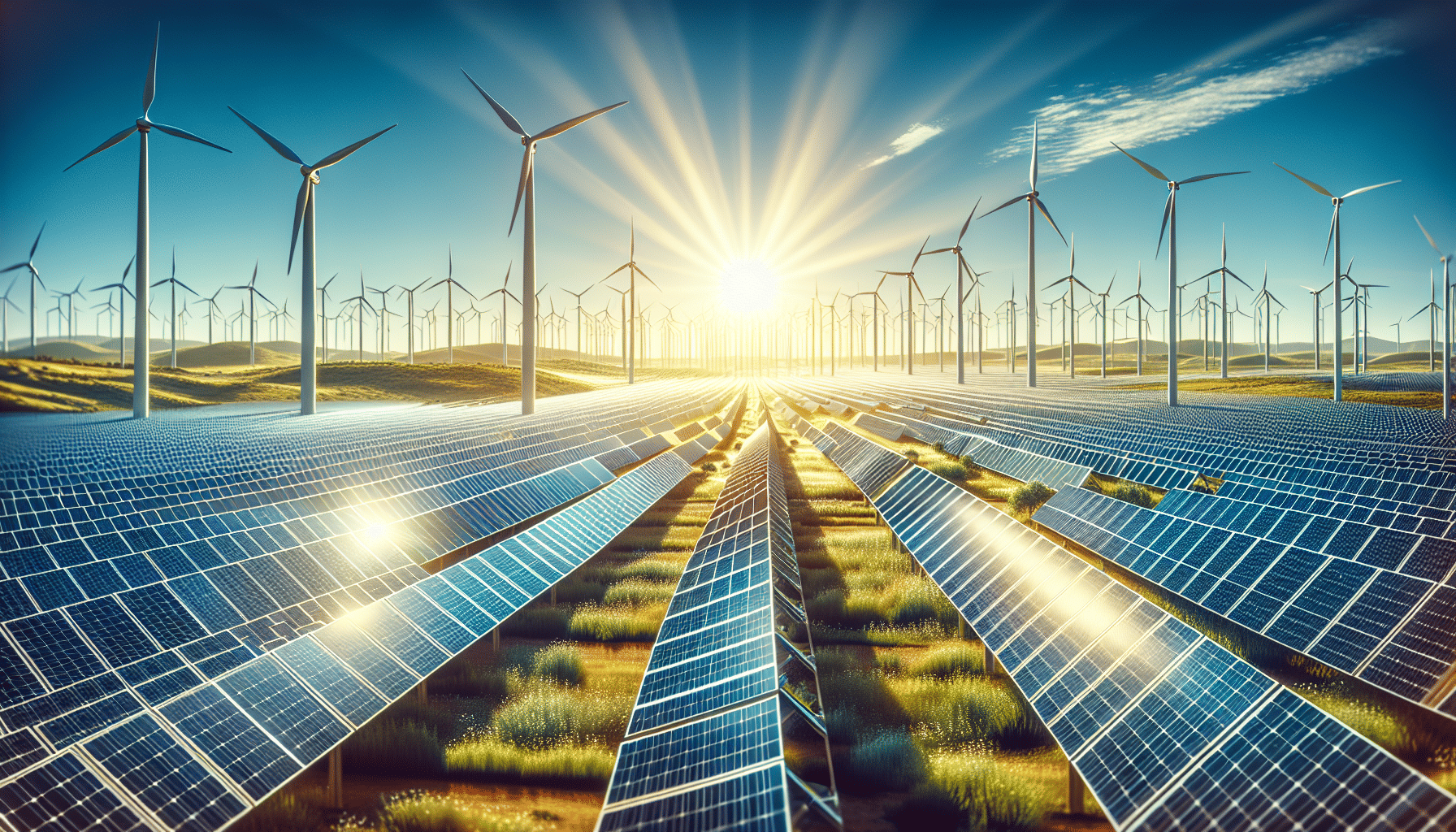
Central to this movement is the evolution of solar power technology. Innovations such as bifacial solar panels, which capture sunlight from both sides, are revolutionizing how we harness solar energy. These panels offer a significant boost in efficiency—up to a 25% increase compared to traditional panels by capturing ambient light reflected off the ground. Additionally, advances in perovskite solar cells hold promise, potentially redefining the photovoltaic landscape with their high efficiency and low production costs.
Wind energy is another cornerstone of the renewable revolution, with cutting-edge advancements pushing the boundaries of what is possible. Offshore wind farms, situated far from land, take advantage of stronger and more consistent wind patterns, providing a reliable energy source. The development of floating wind turbines further expands the potential for harnessing wind energy in deeper waters where fixed structures are not feasible. These innovations significantly reduce the visual and environmental impact onshore, paving the way for expansive growth in wind energy capacity.
Hydroelectric power has seen substantial leaps forward as well, particularly in reducing environmental disruption. Run-of-river systems, for example, generate electricity while preserving river ecology by avoiding large dams and associated reservoirs. These systems offer a harmonious balance between energy production and environmental preservation, demonstrating how technology can adapt to minimize ecological disturbance.
Energy storage solutions are integral to effectively integrating renewable resources into existing grids. Battery technology, especially lithium-ion and emerging solid-state batteries, has witnessed rapid advancements, enhancing energy storage capacity and lifespan. These improvements are crucial, enabling grids to store surplus energy generated during peak periods and release it when demand is high, thereby smoothing out supply inconsistencies associated with renewable sources.
Artificial intelligence (AI) and machine learning (ML) are also playing a pivotal role, optimizing energy consumption patterns and predictive maintenance in energy systems. AI-driven algorithms can analyze vast datasets to predict when and where energy is needed most, effectively balancing supply and demand. This smart grid technology ensures that renewable energy is used efficiently, minimizing waste and maximizing output.
Moreover, the advent of green hydrogen offers a promising path for sectors where electrification remains challenging. Produced by electrolyzing water using renewable energy, green hydrogen can serve as a clean fuel alternative in industries such as shipping and heavy manufacturing. Its versatility in storing and transporting energy further solidifies its role in a sustainable energy future.
The journey toward sustainable energy solutions is not just about technology—it's about global collaboration and commitment. International agreements, such as the Paris Agreement, underline the collective aim to limit global warming by investing in clean energy initiatives. It requires the alignment of policies, business practices, and community efforts to foster innovation and ensure access to affordable, sustainable energy for all.
In conclusion, the quest for sustainable energy solutions is a multifaceted endeavor that demands creativity, resilience, and collaboration. By embracing cutting-edge innovations and focusing on efficiency, we can transform the energy landscape, reduce our environmental impact, and pave the way for a greener future. The time to harness the potential of renewable energy is now, and with continued advancements, a sustainable tomorrow is within reach.