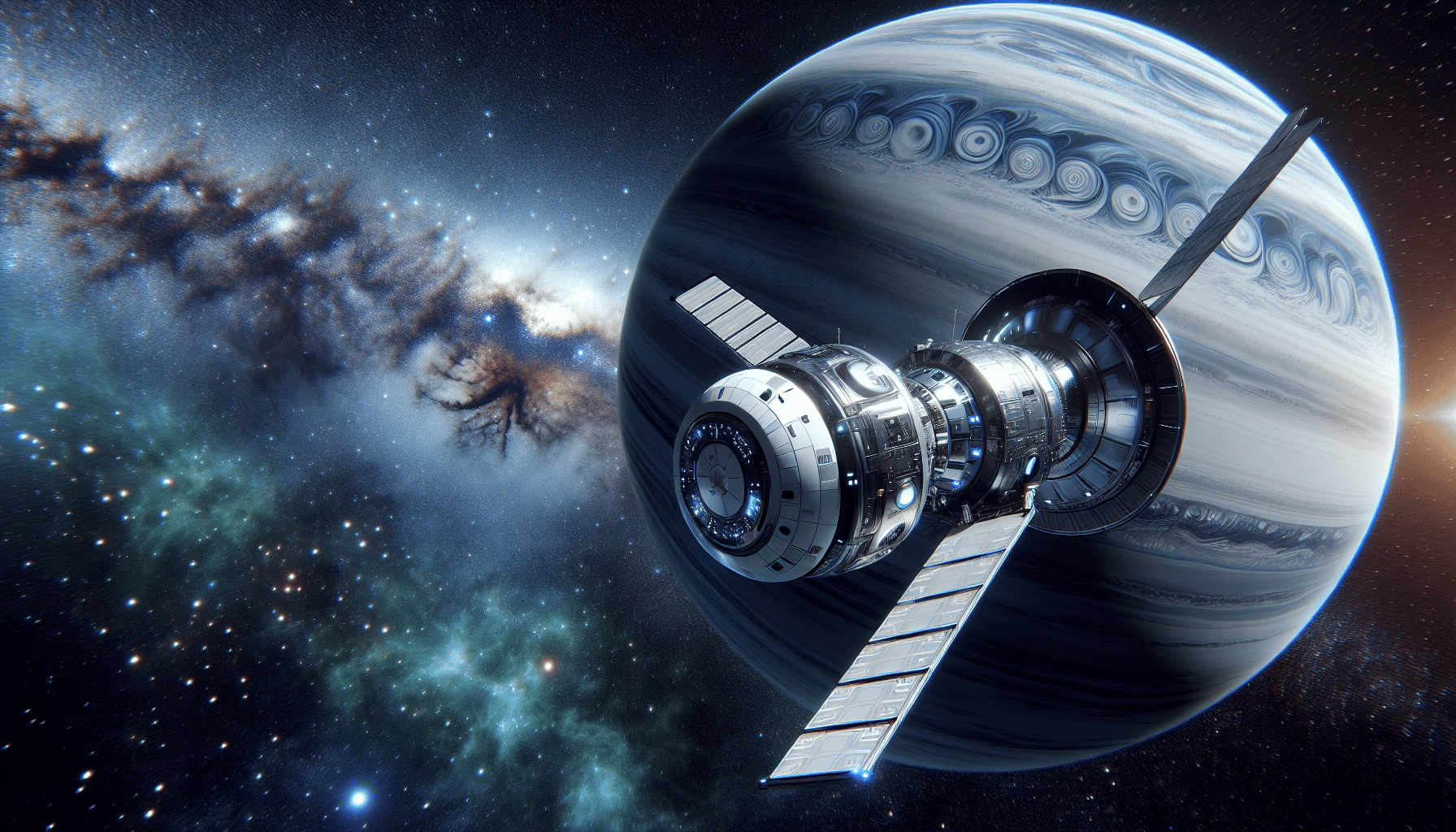
In recent decades, space exploration has transitioned from the domain of just a few national space agencies to a diverse, global endeavor fueled by both traditional and newfound players. This democratization of space is largely driven by innovative technologies that aim to make space exploration more accessible to various stakeholders, ranging from private companies to research institutions and even educational entities.
One of the most significant advancements facilitating this paradigm shift is the miniaturization of technology. This evolution has allowed for the development of small satellites, or CubeSats, which can be designed, built, and launched at a fraction of the cost of traditional satellites. These diminutive devices have opened the doors of space research to universities and startups, enabling them to collect data and conduct experiments in orbit that were once beyond reach due to exorbitant costs.
Alongside the miniaturization of devices, the burgeoning field of advanced materials is playing a pivotal role in making space exploration more feasible. The development of lighter and more resilient materials has allowed rockets and spacecraft to be more efficient, reducing the costs associated with launching them into space. For instance, the use of carbon composites and high-performance alloys has decreased the weight of spacecraft, resulting in lower fuel consumption and fewer emissions per launch.
Furthermore, the evolving landscape of propulsion technology is reshaping the prospects of space exploration. Traditional chemical propulsion systems, while reliable, are being supplemented and sometimes replaced by more advanced alternatives such as ion thrusters and nuclear propulsion systems. These technologies promise to extend the longevity of missions and enable deeper exploration into the cosmos by improving energy efficiency and reducing reliance on traditional fuel sources.
The role of artificial intelligence (AI) and machine learning in space exploration cannot be understated. These technologies are being harnessed to analyze vast amounts of data gathered in space, providing insights and guiding mission decisions in real-time. For example, AI systems are utilized to optimize spacecraft navigation and automate onboard systems, allowing missions to respond autonomously to unexpected challenges and opportunities during their journey.
Public-private partnerships have also emerged as a cornerstone of modern space exploration initiatives. Governments continue to finance fundamental research and large-scale projects, such as the International Space Station (ISS) and the upcoming Artemis missions aimed at lunar exploration. At the same time, private enterprises, with their agility and innovative drive, are entering the field, creating new launch services and exploring commercial opportunities in low Earth orbit (LEO) and beyond. Companies like SpaceX, Blue Origin, and Rocket Lab are at the forefront of this movement, each developing reusable launch systems to drastically cut costs and make access to space increasingly routine.
As humanity pushes further into the cosmos, the quest for sustainability in space exploration becomes more imperative. This drive is leading to the development of closed-loop life support systems and in-situ resource utilization (ISRU) technologies, which aim to maximize the use of local materials, such as those found on the Moon or Mars, for building habitats, generating water, and producing fuel. Such efforts are essential in ensuring that future generations of explorers can live and work beyond Earth for extended periods.
In conclusion, the landscape of space exploration today is vibrant and dynamic, characterized by collaborative efforts across multiple sectors and powered by a suite of innovative technologies. As we look towards the stars, the democratic expansion of space initiatives promises to fuel scientific discovery, spark the imagination, and chart new frontiers for humankind, revealing that the sky is not the limit but merely the beginning of our endless journey into the universe.